Hummertime

May arrived like a moody teenager, one minute shivering under dark, gloomy clouds and the next waving to clear, blue skies. I hummed optimistically as I hung the hummingbird feeders, and then my soul soared with the arrival of the first male hummer. He drank deeply and flashed his ruby throat in greeting and joyful recognition.  I knew the females would arrive a week later as surely as  green leaves emerge from swollen buds.

The stage was set for the tiny acrobats with the master of our backyard always on guard. I enjoyed his companionship as he changed perches, preened and dove at every intruder , and my days were brighter when his loopy arcs created inverted rainbows. The feeder was center stage but the action was an ever-changing palette as the hummers checked the petunias, hovered by the honeysuckle, almost entered the lilies and even checked out my red hat. 
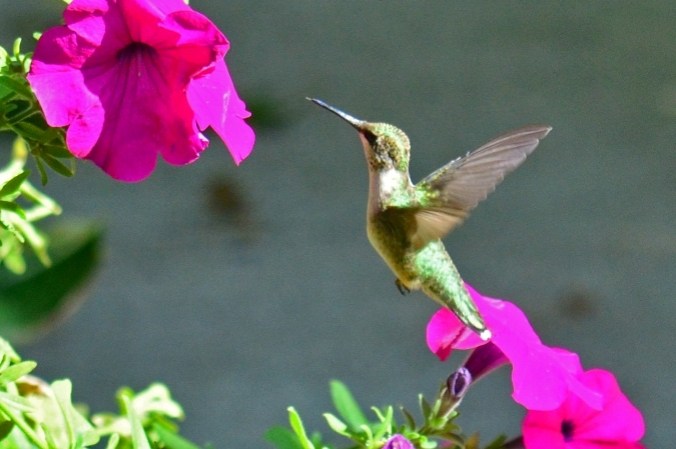
 

Hummer DSC_2221 c

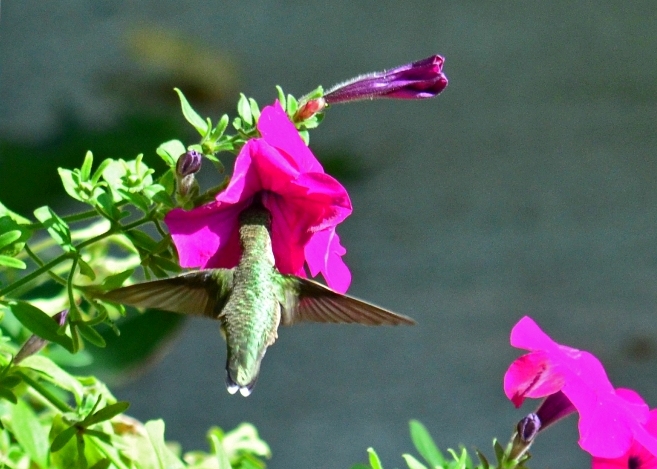
Female Ruby-throated hummingbird.

Hummer DSC_2218 b


When temperatures soared the activity at the feeder slowed, but I didn’t wonder where they had gone. I knew their secret—their babies had hatched and needed the rich protein from insects.  

September hummer 01


When they left the nest, it was the peak of hummertime. The master declared a truce and everyone was welcome at the feeder!  


Flashes of red and the whir of wings set the scene for awkward landings on the perches. 
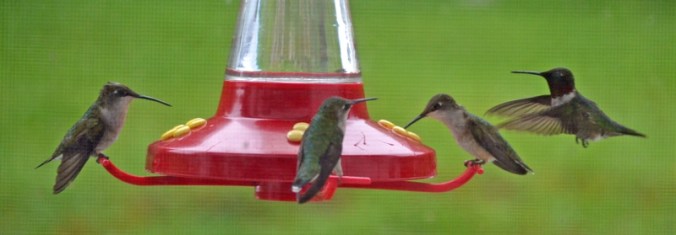
Truce 02b - DSC_8550

All too soon, hummertime is ending.  September is approaching and the males will be gone by Labour Day.  The females and juveniles will feed for another week and then our yard will be quiet.

I will enjoy the colour of fall but my heart will be waiting for the return of hummertime.
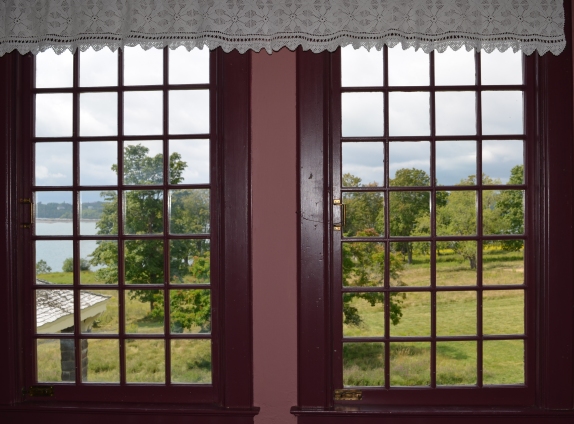


Windows on the Past

On the weekend we visited Minister’s Island near St. Andrews. As I looked through the windows of the restored main house, I saw more than peaceful vistas.

DSC_2030

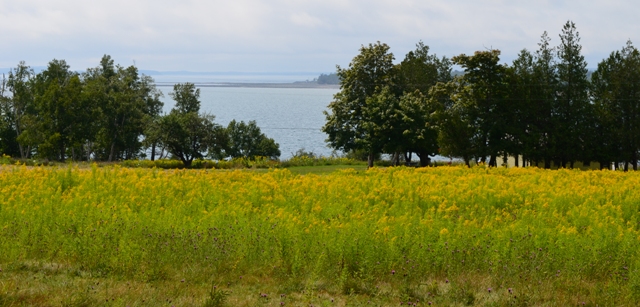
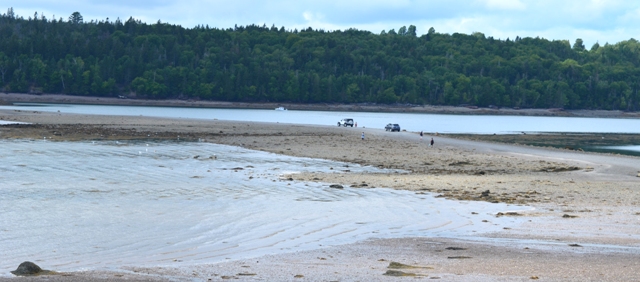
These were the fields I had roamed many times as a child on family excursions. No admission fee then, you just checked the tide before driving across the bar and made sure to be back on the mainland again before it was under water. If the season was  right, we dug clams on the way home.

field DSC_2009.JPG

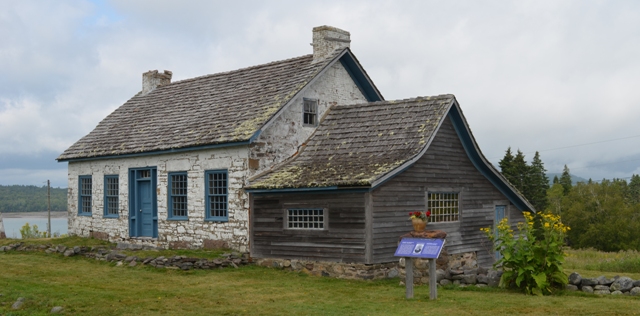
I had always known it as Minister’s Island or Van Horne’s Island and figured Van Horne must have been a cabinet minister. I was wrong; it was named for Rev. Samuel Andrews.

Minister's house DSC_1986.JPG

In 1790 Rev. Andrews built his house on the island he had purchased for £ 250 pound sterling—thereafter known as Minister’s Island.

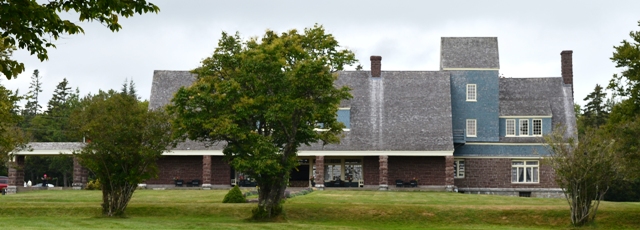
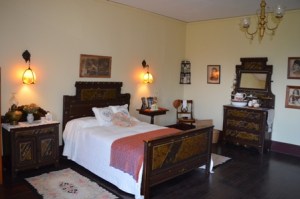
I had never been in the Van Horne home, now restored beyond anything my child’s mind could have imagined.

VH house DSC_2078

bedroom DSC_2032          cradle DSC_2034

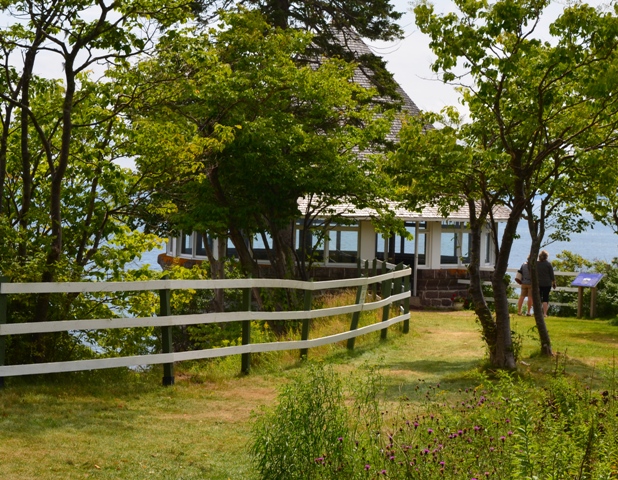
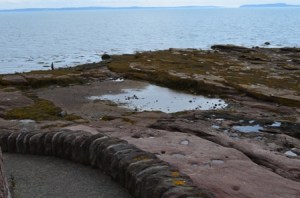
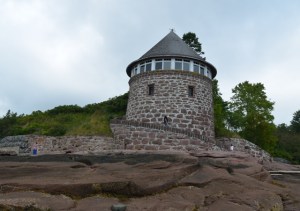
But there was one thing that was exactly as I remembered it, except for the fence and a mowed path.  The Bath House still stands solid by the shore.

BH 1 DSC_2044

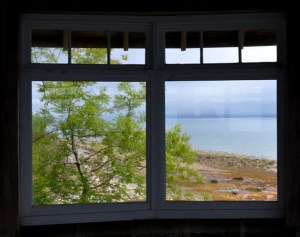
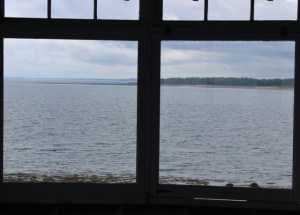
With its domed interior showcasing the view.

DSC_2048

DSC_2049DSC_2050


I descended the spiral staircase to the bathing pool and to look back at the Bath House.

BH pool DSC_2068 BH from shore DSC_2074


And the tide still waits for no man so we crossed the bar before it once again became the ocean’s floor.

Bar DSC_2093


Time Travel by letter — 1949

DSC_1363 1949 letter

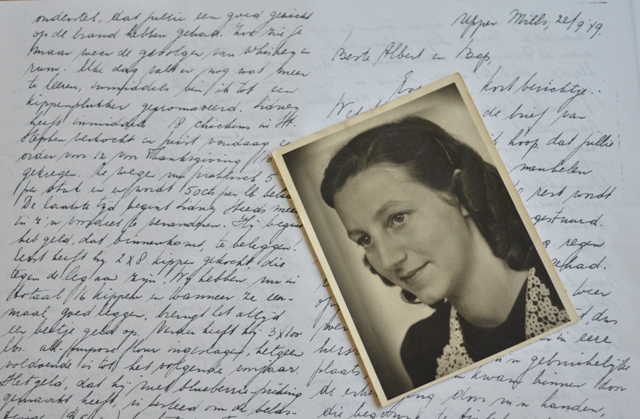
I have been spending my time in September 1949, transported by letters my mother wrote to her brother and sister-in-law, Albert and Elizabeth (Bep) Kater.  Her words not only revealed glimpses into my parents’ life when I was two years old, but I even got to see myself.   I divide Rose-Marie’s hair now in the middle with 2 very small bows on each side. It needs a little getting used to , but it looks nice on her. I wish for a picture but this is almost as good.

I was surprised at the cost of dressed chickens compared to how much I paid last week at the grocery store.   Sidney (my father) sold in the meantime 18 chickens in St. Stephen and got just today an order for 12 more for Thanksgiving (Oct. 10). They weigh each around 5 lbs and they bring 50 cents a pound.  I did the math . . . 30 chickens @ 5 lbs = 150 lbs @ .50/lb = $ 75.  Considering how much wages, and everything else has increased since 1949, that seems like a high price in 1949. Good for my parents but not for the people who were purchasing them after the store added their profit.

They had a house and property, so my parents had taxes to pay.  The money he (Sidney) earned with blue-berry raking is used for the taxes ( $54 ).

I saw a different side of my fatherWhen we visited a few weeks ago the St. Stephen Exhibition, Sidney got interested in weaving! We bought a small weaving-table, and right now he sits on the other side of the table and makes a woolen shawl for Ronnie and Rose-Marie, to wear in winter under their coats and it is going to be really nice. It is Scottish checks brown-red-blue-green vice-versa, all in darker shades.

My father obtained work that fall but had hardly any salaried work during the summer. However,  my mother could  put a positive spin on anything and I was also reminded of my mother’s ingenuity and thriftiness. That never changed, no matter how much their finances improved in later years.  I believe that, in the end, it was good for me that Sidney hardly did any work this summer. He values the money a little more and probably appreciates my sewing and mending more too. I have finished slippers for the children, crocheted from thick wool , and he put leather soles under them. From old jackets from him I made warm house-coats for the kids, reaching to their knees. 

I am forever grateful for the late Ytse Boonstoppel who translated these and many more of my mother’s letters.  It is an invaluable gift to be able to look at the past from my mother’s perspective.