Inside and Outside

It is easy to be content when one is looking at the world from a warm, comfortable home, but for the past three weeks I have not been content.
I believe in the right to lawful protest but not the way it was done in Ottawa. I believe in personal choice and that, with each decision, we accept the consequences of our decision. If I do not like the consequences, I reassess my decision and either change it or accept the consequences. I do not ignore scientific information, and I do not try to “change the world” so my decisions have no consequences.

For the past three weeks, I have watched the misnamed ‘Freedom Convoy’ negatively impact the rights of Ottawa citizens and businesses and the rights of people clear across the country. I have watched my country become divided and angry. Now the Ottawa Occupation may be over, but a dangerous, angry seed has been planted. I fear the fruit it will be bear.

I was upset by what I saw and read and by supporters whose perception of freedom contradicted mine. I made the decision to not respond to their distortions on Facebook, because I was afraid of a backlash and being drawn into a debate by persons who wanted me to listen to them but would not take my words seriously. I was afraid of their anger and thought “what good would it do anyway.”

I am now reassessing that decision, because I do not like the potential consequences of silence. I am uncomfortable because silence is a betrayal of my heritage. My maternal grandfather was a Jew in Occupied Holland. My father chose to join the Canadian Forces and fought for freedom and the Liberation of Holland. I was brought up believing that we make decisions for the greater good. My definition of freedom is influenced by the past, and it is in conflict with the protestors’ use of the word.
I felt my views being drowned out by noise and values contrary to mine, and I need to emphasize that my silence is not my consent.

I have always looked out my window and found my comfort in nature.
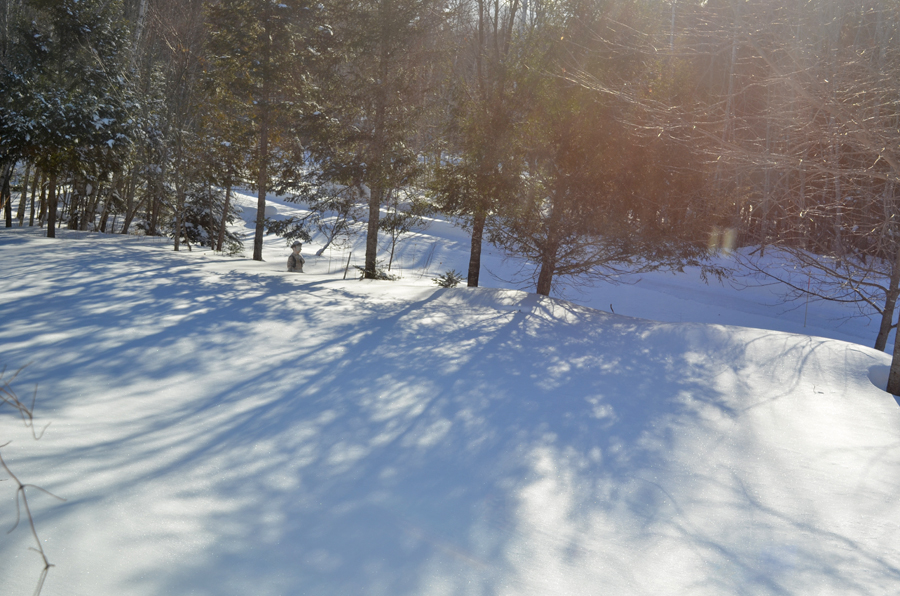
This week, however, what I saw from my window reflected my unease. Or maybe my anxiety is impacting how I see things
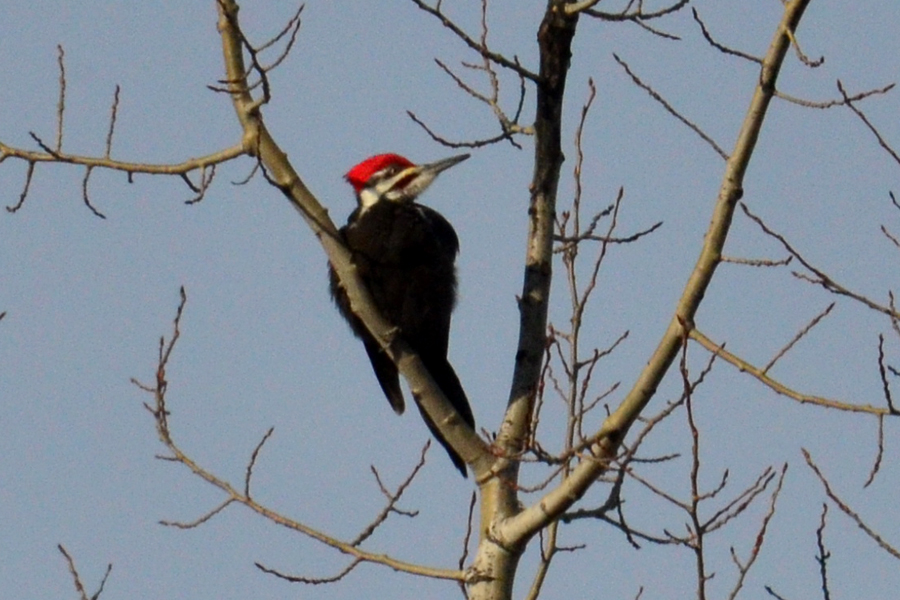
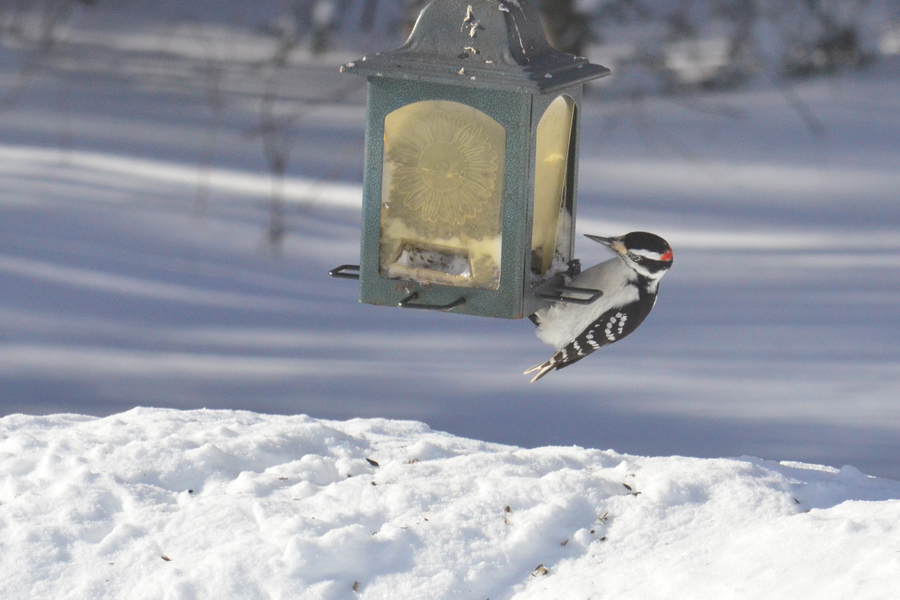
The pileated woodpecker chose an unexpected perch high in a poplar tree. His head never stopped as he scanned every direction.

The deer were more vigilant than usual, alert for any danger.

Even the squirrel looked worried.

Canada has been shaken by the pandemic. We have been standing together to reduce infection, to reduce hospitalizations and deaths and to protect our families.
Yes, we are all tired, but I don’t want to throw the baby out with the bathwater. I do not want a rowdy crowd to speak for my country.

Seeking More Positives

This week we are still surrounded by a lot of negativity, but there are also bubbles of joy. We must choose where to seek our energy.
Facebook presents both, but there is one pop-up that always lightens my heart. The simple artwork and wisdom of Charlie Mackesy always strike a chord, and the world becomes a brighter place.

It has been a difficult winter, but Charlie Mackesy’s words reminded me of my inner strength.

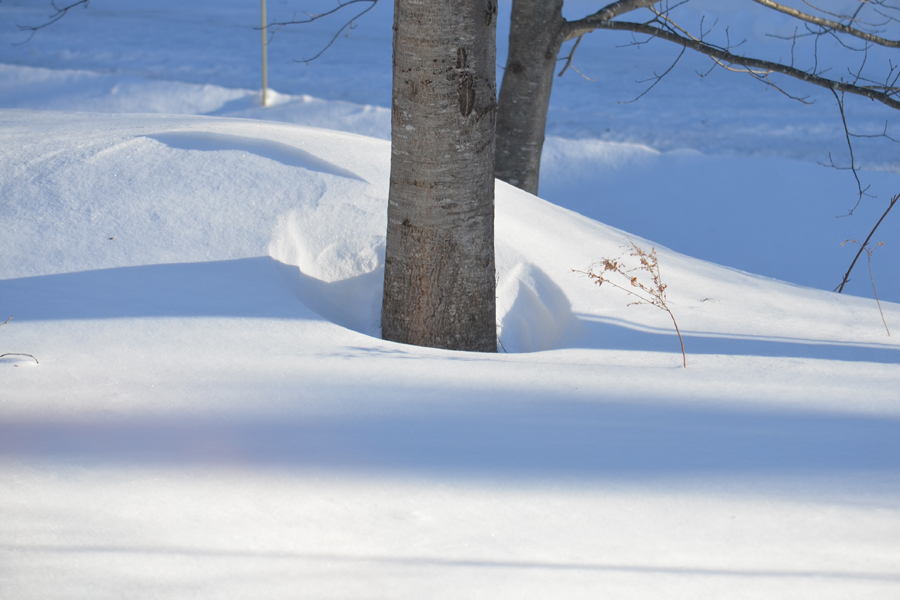
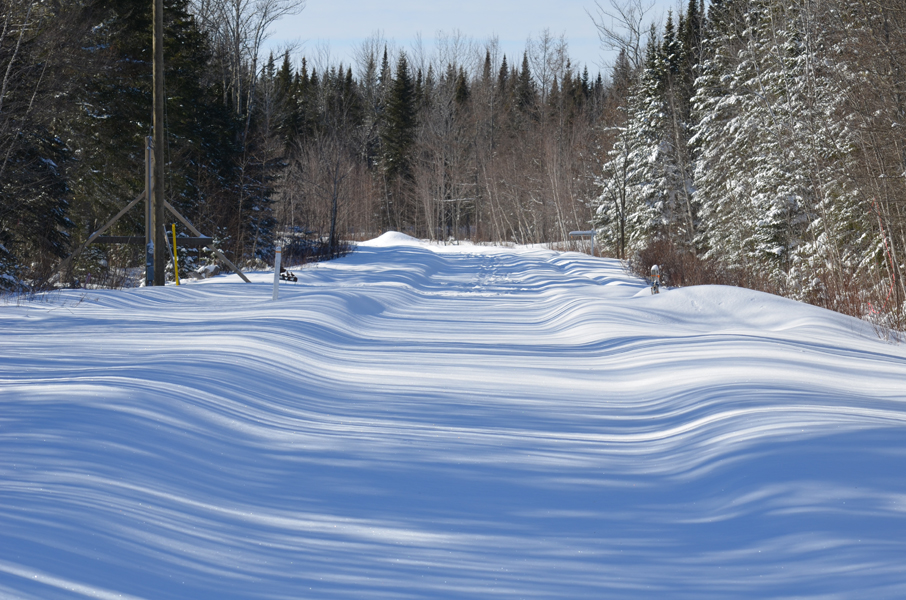
It reflected my world, just a few steps from my house.

Winter, with its own beauty and its own inner strength.


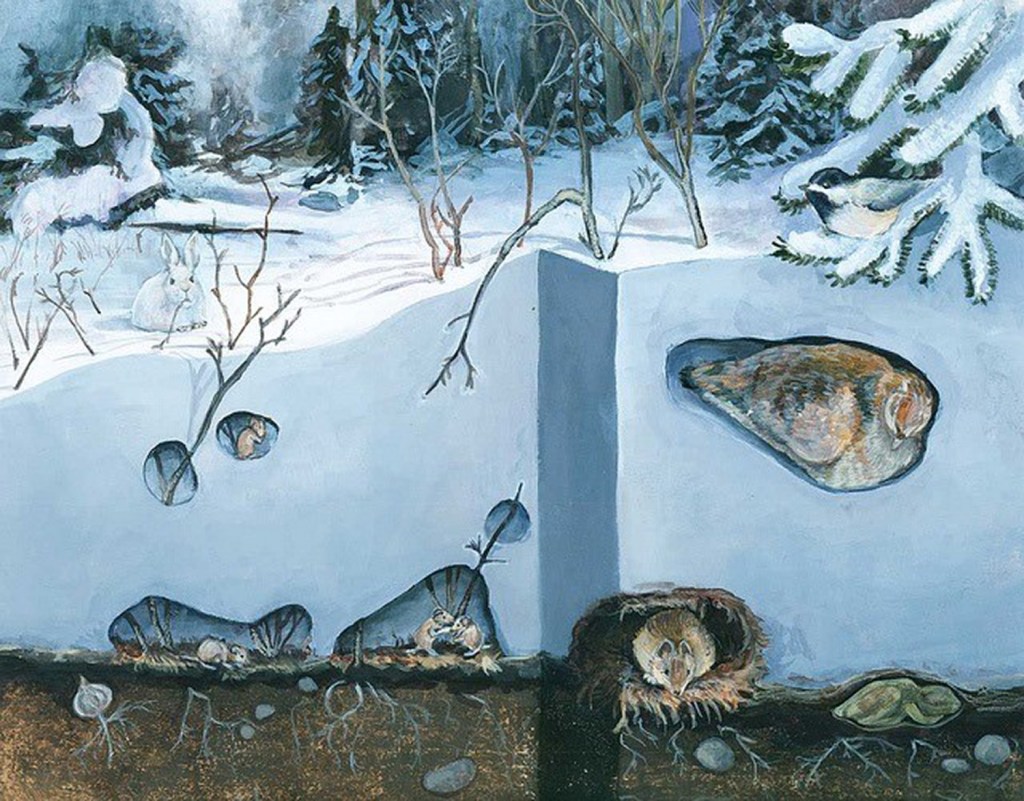
Faith that spring will come
Life in bubbles of safety
The subnivean zone

Poem by Rose Burke
Image from Parks Canada


Seek the Positives

Another week, another storm and another on the way, but yesterday the sun was shining. The snow was sparkling as if it had been sprinkled with rhinestones, and the trees painted crisp lines on a pristine palette. The sun set at the end of yesterday and today is cloudy, but I know the sun will return.

The news is full of anger, discord and division. A pessimist could conclude our country is in crisis, but I have always been an optimist. Beyond the news, I saw a person who had cleared a neighbour’s driveway and another who had brightened someone’s day with a bowl of soup. Even such seemingly small deeds are rays of sunshine piercing the gloom.

I turned from the angry news to the Olympics going ahead in spite of huge obstacles. I applaud the choice of a snowflake as the Olympic symbol, made up of 91 snowflakes representing the participating countries. Each snowflake, and each person, is unique but together so much stronger.
As I contemplated the past week, I realized that negativity is surrounding us like fog, and I was reminded of two ‘fog’ poems I had written on the same day, some years ago.

Water and earth merge,
Transformed, invisible, gone
Hypnotic silence,
The fog encircles its prey
Dashing hope upon the rocks.

Swirling, smooth, serene,

The fog encircles its prey

Merging land and sea.

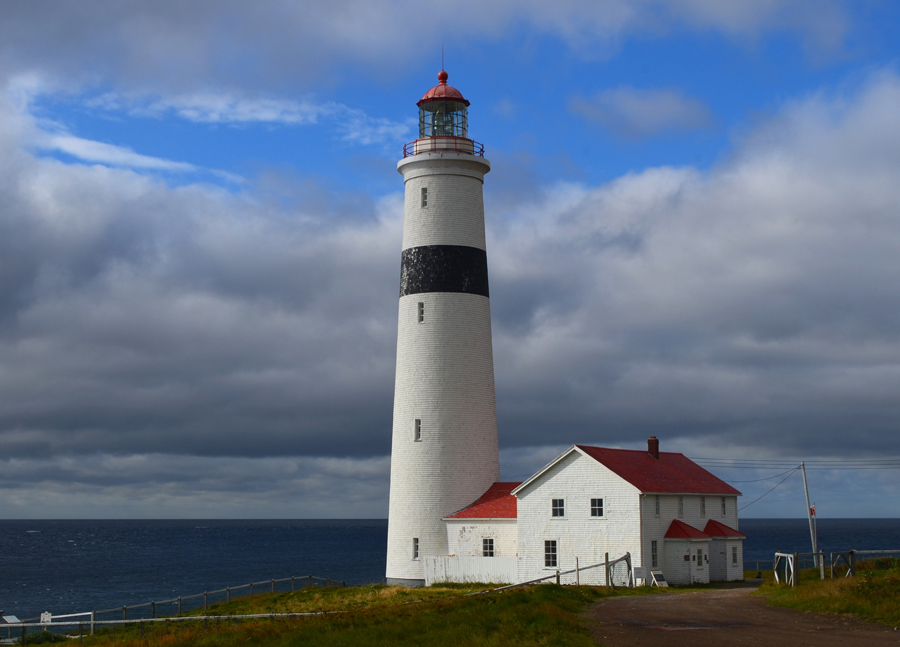
A lighthouse pierces its heart

Guiding home despairing souls

In these troubled times, we need to find a lighthouse and be confident the storm will pass.


A Storm along the Path

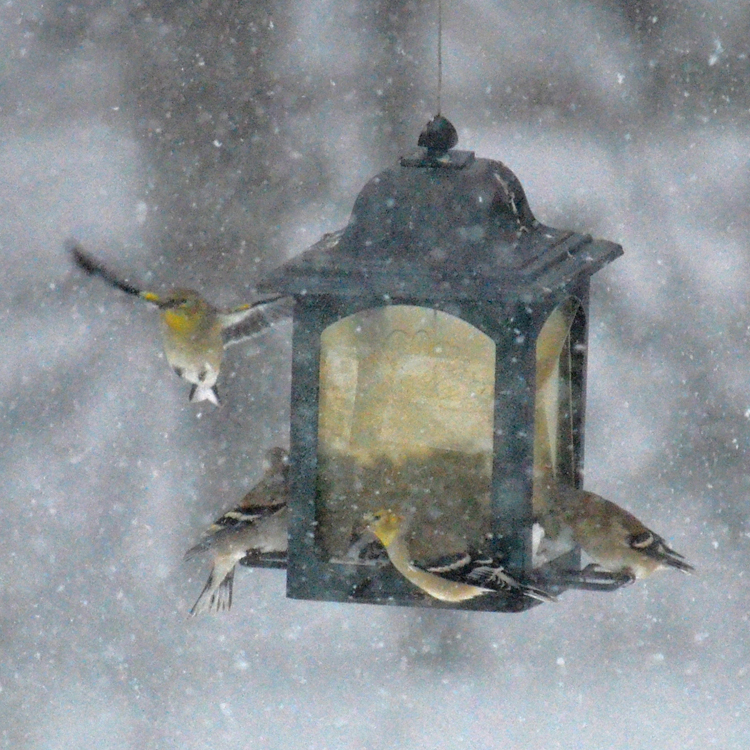
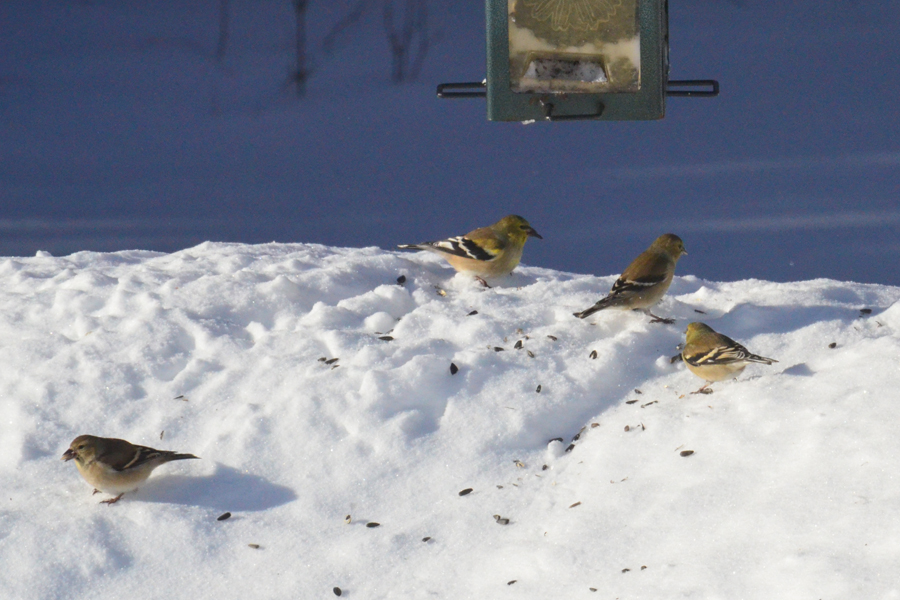
Snow and storms are a part of winter in New Brunswick. One stocks up on the necesssities, puts extra seed in the bird feeder and hopes the power doesn’t go off.
I was always told that if it’s going to be a small storm, the birds hunker down in a sheltered spot and wait it out; if it’s going to be a big one, they keep on feeding.

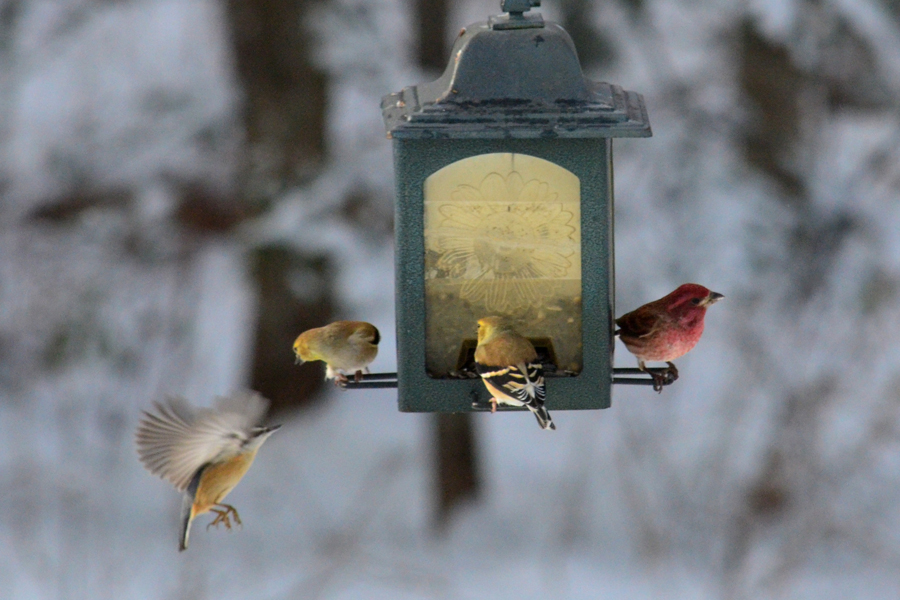
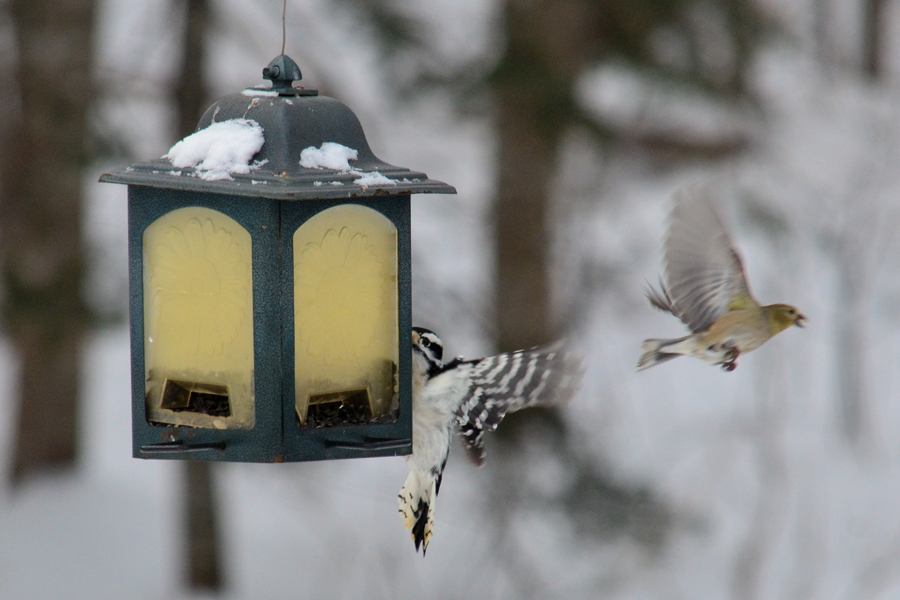
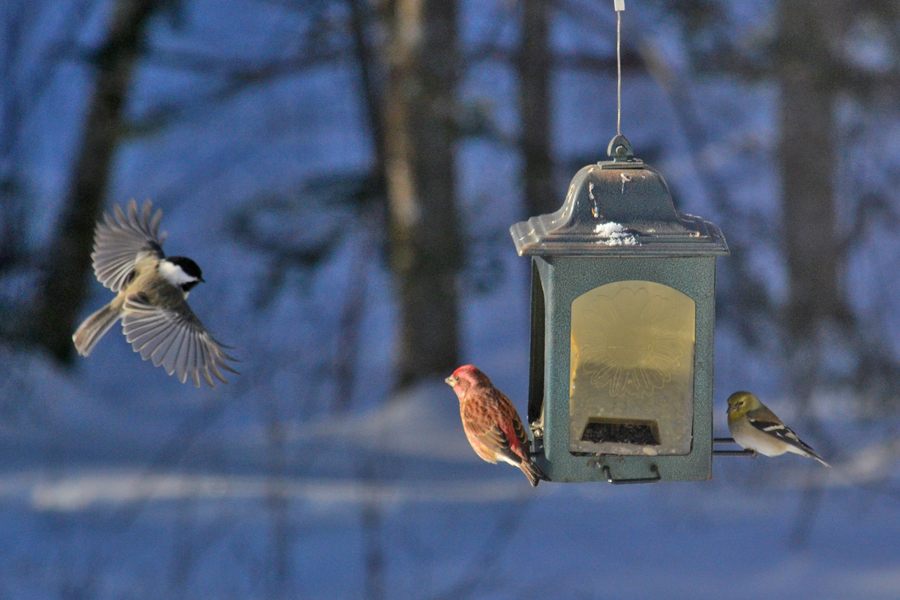
The storm began, but the feeder was still busy.

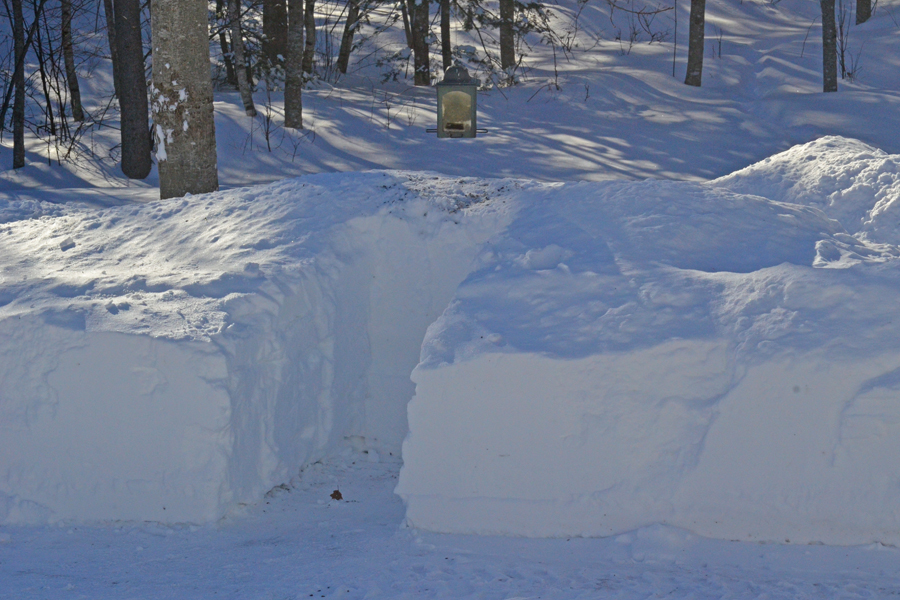
The snow got deeper and deeper. Our power didn’t even flicker, and I was grateful I was able to watch the storm’s progression from the comfort of a warm home.

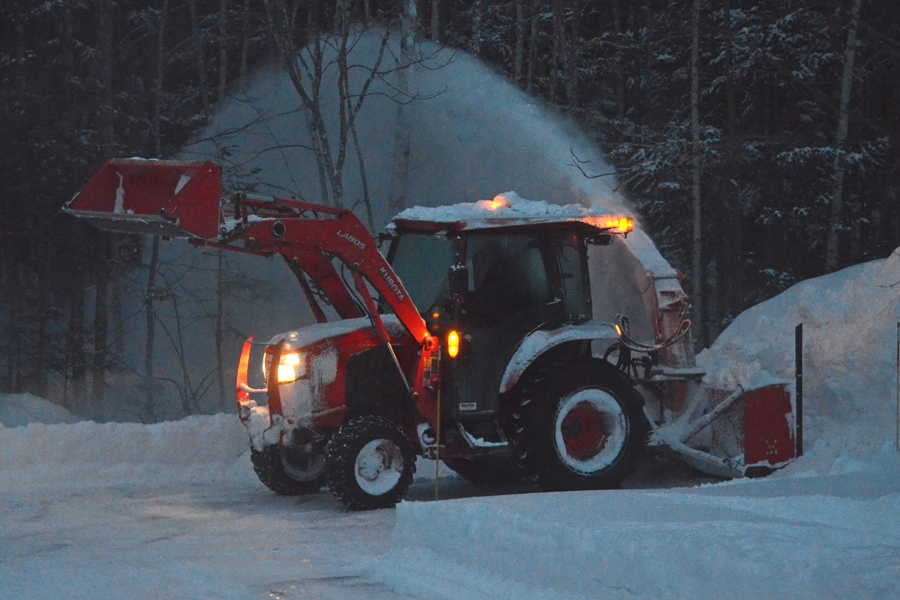
I was appreciative of those who work through the storms: the ones who plow the roads and the ones who clear our driveways, the first responders who are always on duty, the ones working in every storm to restore power as quickly as possible and all the health care and other essential workers who drive to and from their jobs whatever the weather.

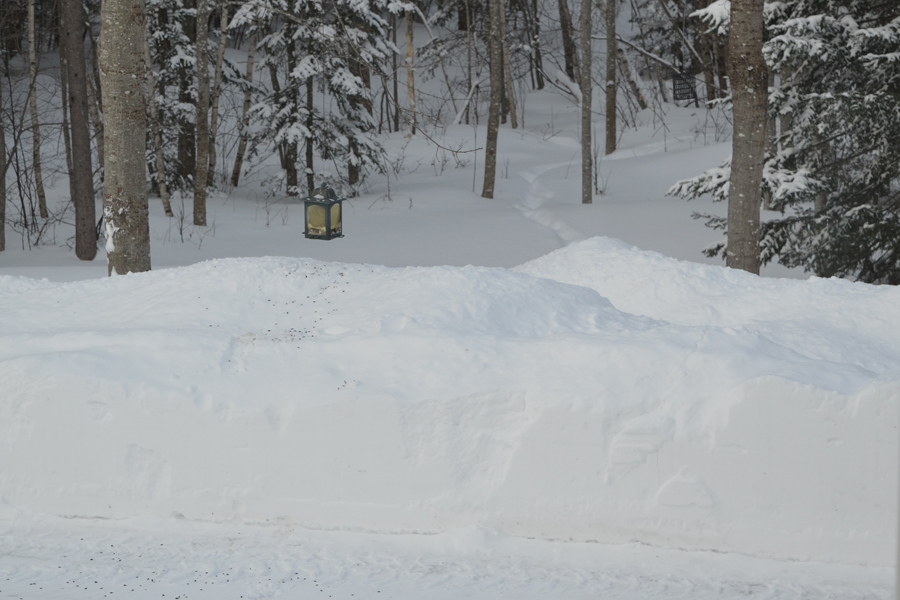
At dawn the storm had passed. The snow and wind had changed the yard.

The view from my window is beautiful, and I have a grateful heart.

Meniscus: Rosetta Stone

I have left the past, paused in the present and allowed myself to be transported to an alien planet.
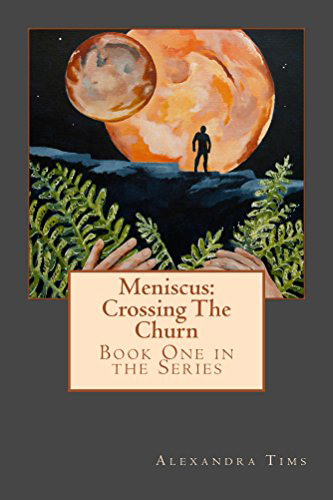
I just finished reading Meniscus: Rosetta Stone, book 10 in a series by Alexandra Tims (a.k.a Jane Tims). I was already a science fiction fan, but this series has stretched my mind to re-evaluate and then suspend the pre-conceived. The format as a long poem is unconventional, but I find it effective, condensing the story to the essentials of fact and emotion.

Book One introduced the planet of Meniscus, which travels around two suns and has two moons. The atmosphere is breathable, but water does not behave like water on earth; it flows upward.
Meniscus has a dystopian society and is populated by a variety of unique sentients (intelligent beings), animals and plants. Some are benign and others deadly.
Dock-winders, the dominant sentients, are oppressive with no evident morals or ethics. The humans on Meniscus were abducted from earth to be slaves, but humans do not accept captivity passively. There lies the underlying plot of the series: survival and the quest for freedom.

Alexandra Tims is also an artist. Each book begins with a map of the relevant segment of the planet, and her sketches of the characters and significant scenes add depth and connection.
Meniscus is an unusual planet, so Tims ends each book with descriptions of the cast of characters, a glossary of the plant and animal life and a guide to Gel-speak.

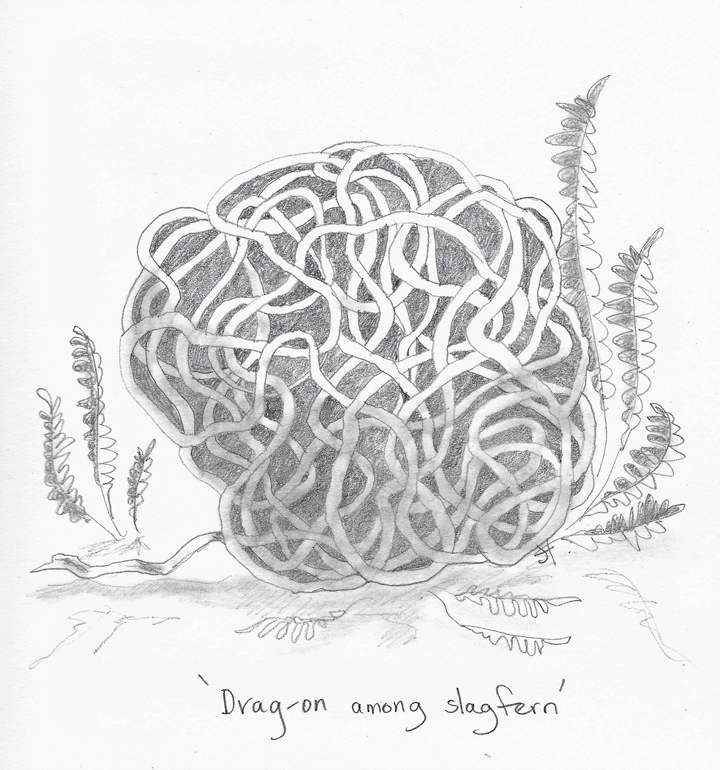
Drag-on is a sentient, telepathic Hooplore. They resemble nests of cooked spaghetti and roll and bounce like tumbleweed. They are rather aloof from other Meniscus aliens and helpful to Humans.

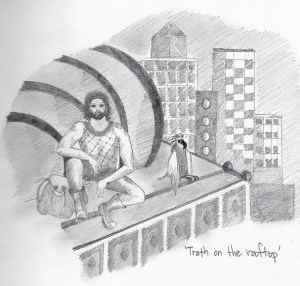
Book Ten, Meniscus: Rosetta Stone, introduces new characters, Abra and Trath. They escalate suspense and emotion and create hints for the future.

Abra finds a manuscript, a rosetta stone for those who resist, but there are dangers and obstacles to be overcome to bring it to the human settlement. I feel the winds of change and hope, but the cost is high.

Alexandra Tims has created an alien planet and populated it with sentient aliens and humans who were abducted from earth. Then she added challenges, accomplishments and losses. Her visuals give life to the ‘hard to believe’. I have read all ten and await the next. To take a look, go to https://www.amazon.ca/Meniscus-Rosetta-Stone-Alexandra-Tims/dp/B09JDSPQ5L

Books from the Past (5)

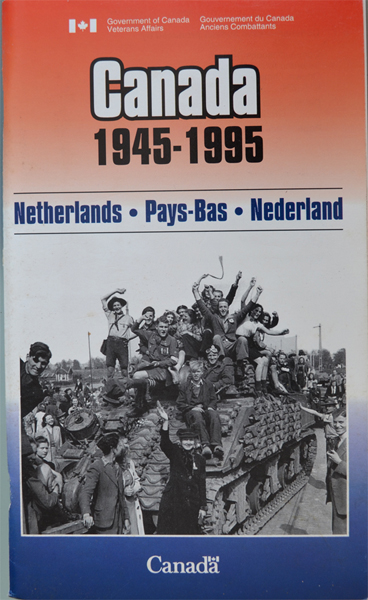
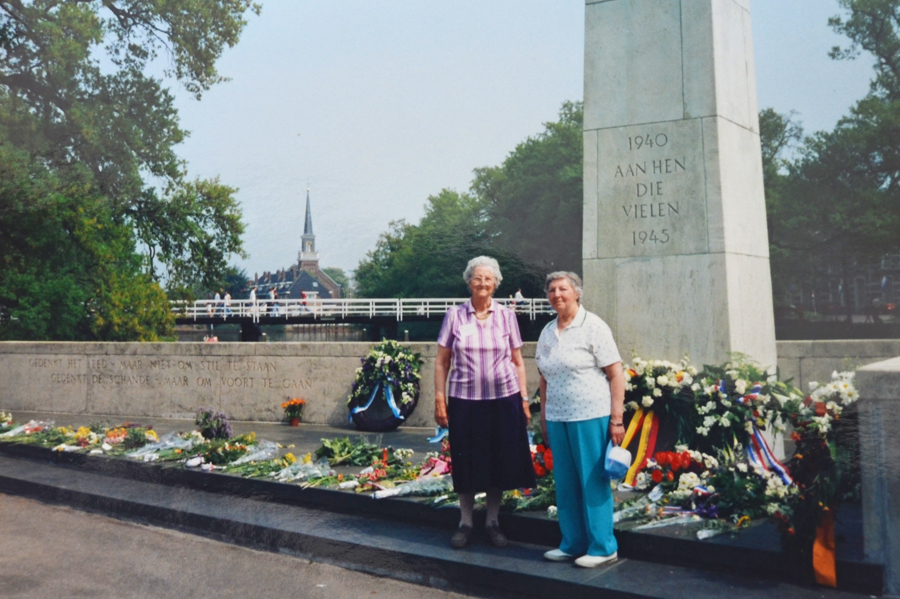
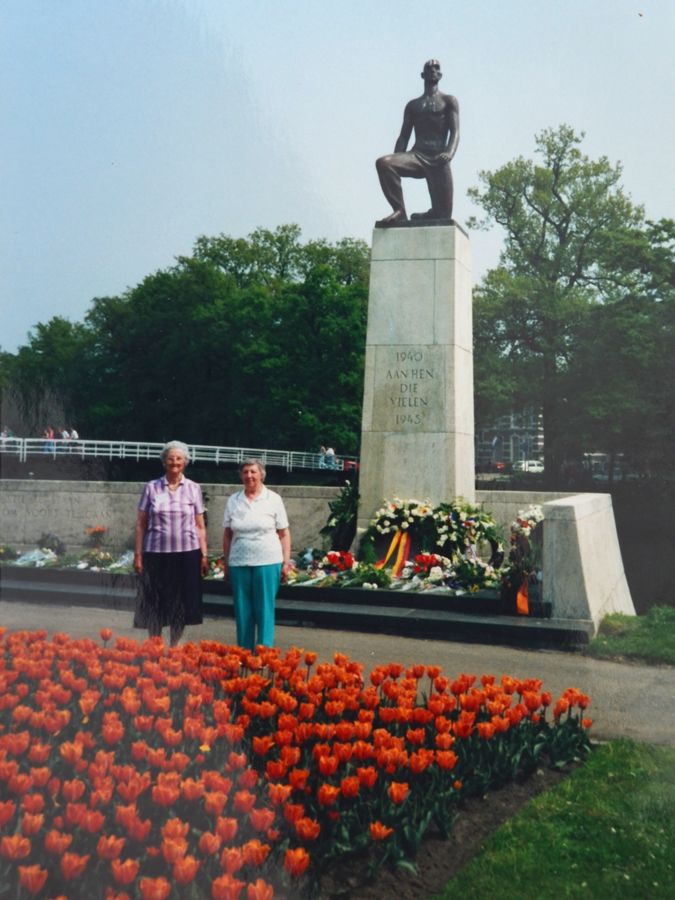
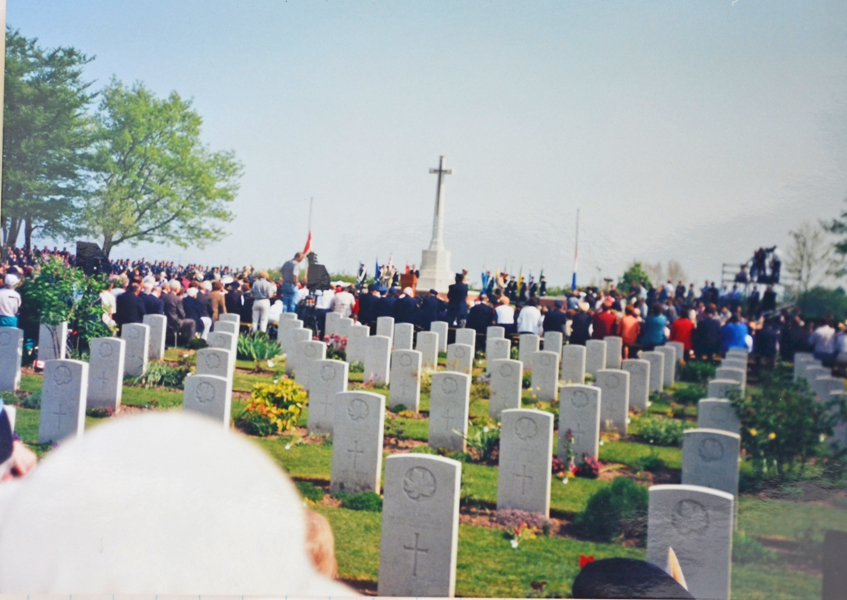
In 1995 the Netherlands and the Royal Canadian Legion celebrated the 50th Anniversary of the Liberation of the Netherlands.

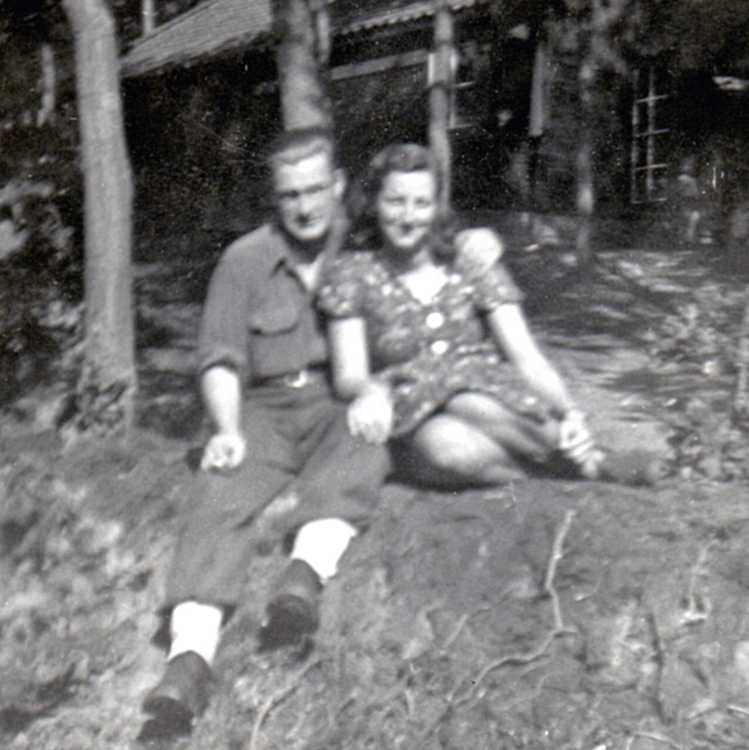
Selma Kater and Sidney Smith had met and married in Doorn in 1945, following the Liberation.

Sidney passed away in 1990, five years before the anniversary.

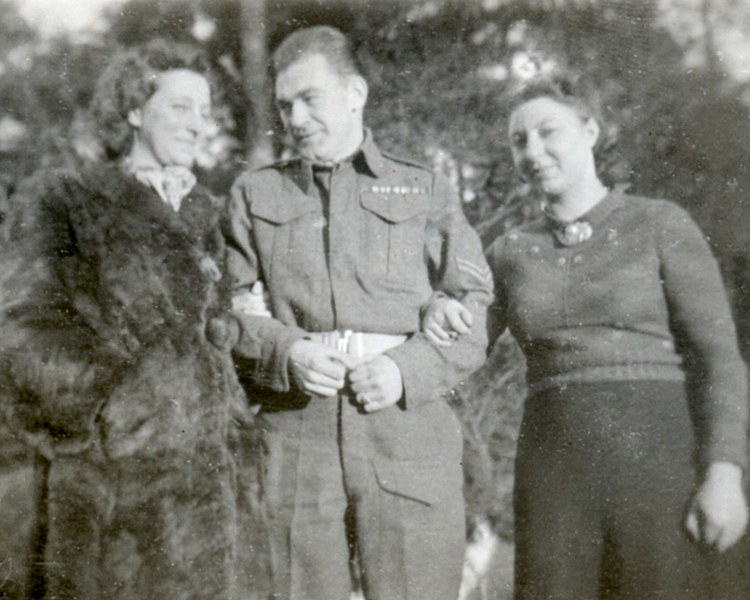
Selma attended the celebrations with her sister Hetty Kater Outlet. Selma had previously returned to Holland, but it was the first time for Hetty.

It was an emotional time.

Sidney and Selma had returned to Holland on a holiday in 1968, and she would have felt his presence during the 50th Anniversary celebrations in 1995. But, once again, it was just Selma and Hetty.

Books from the Past (4)

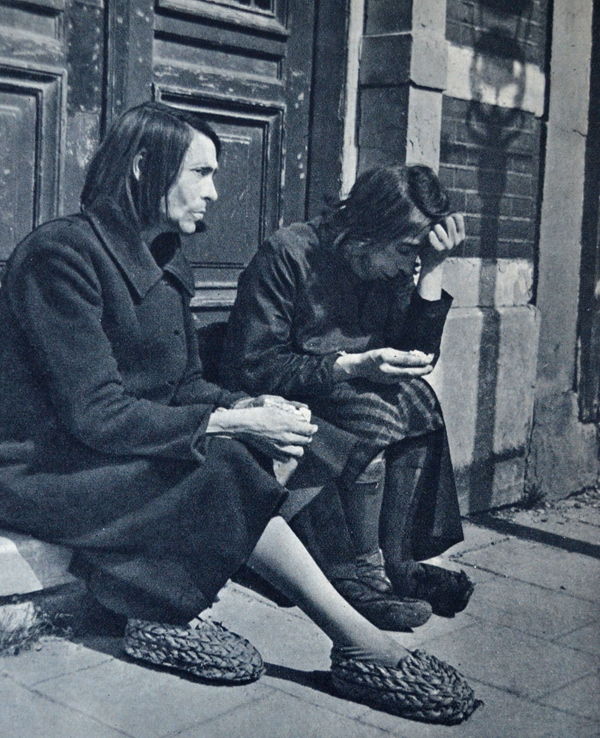
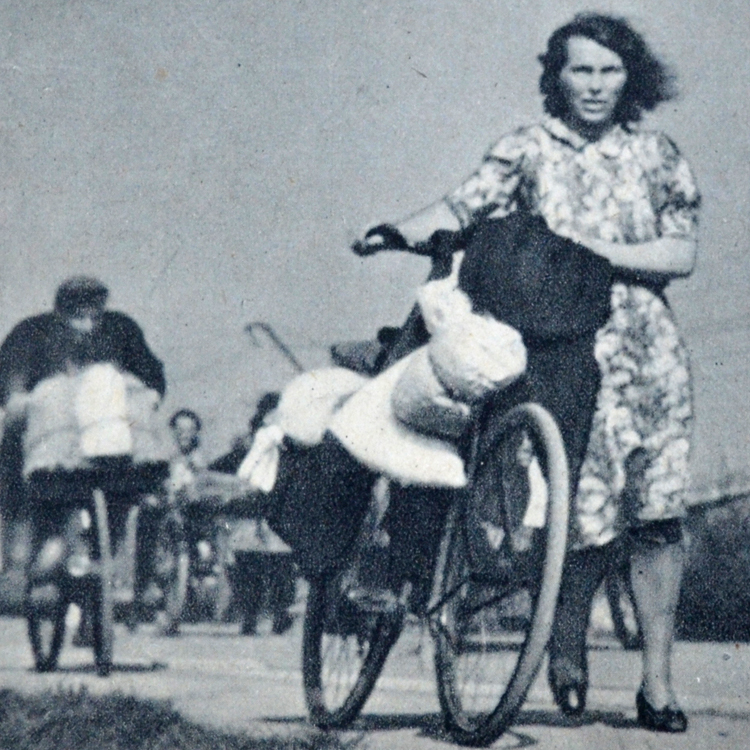
A friend reminded me of another book and, after a brief search, I found Holland and the Canadians. It has no date but was completed shortly after the Liberation by a Canada-Netherlands Committee using text and 150 pictures. My brother and I likely looked at the pictures, but I have no memories of my parents discussing this book with us. They rarely spoke of the past.

I had not looked at this book for years, and now I see the pictures with heightened emotion. I have been to Holland and walked some to those streets, and I was immersed in my mother’s early life while writing Dutch Letters and Canadian Memories. Now, I feel the full impact of the pictures.
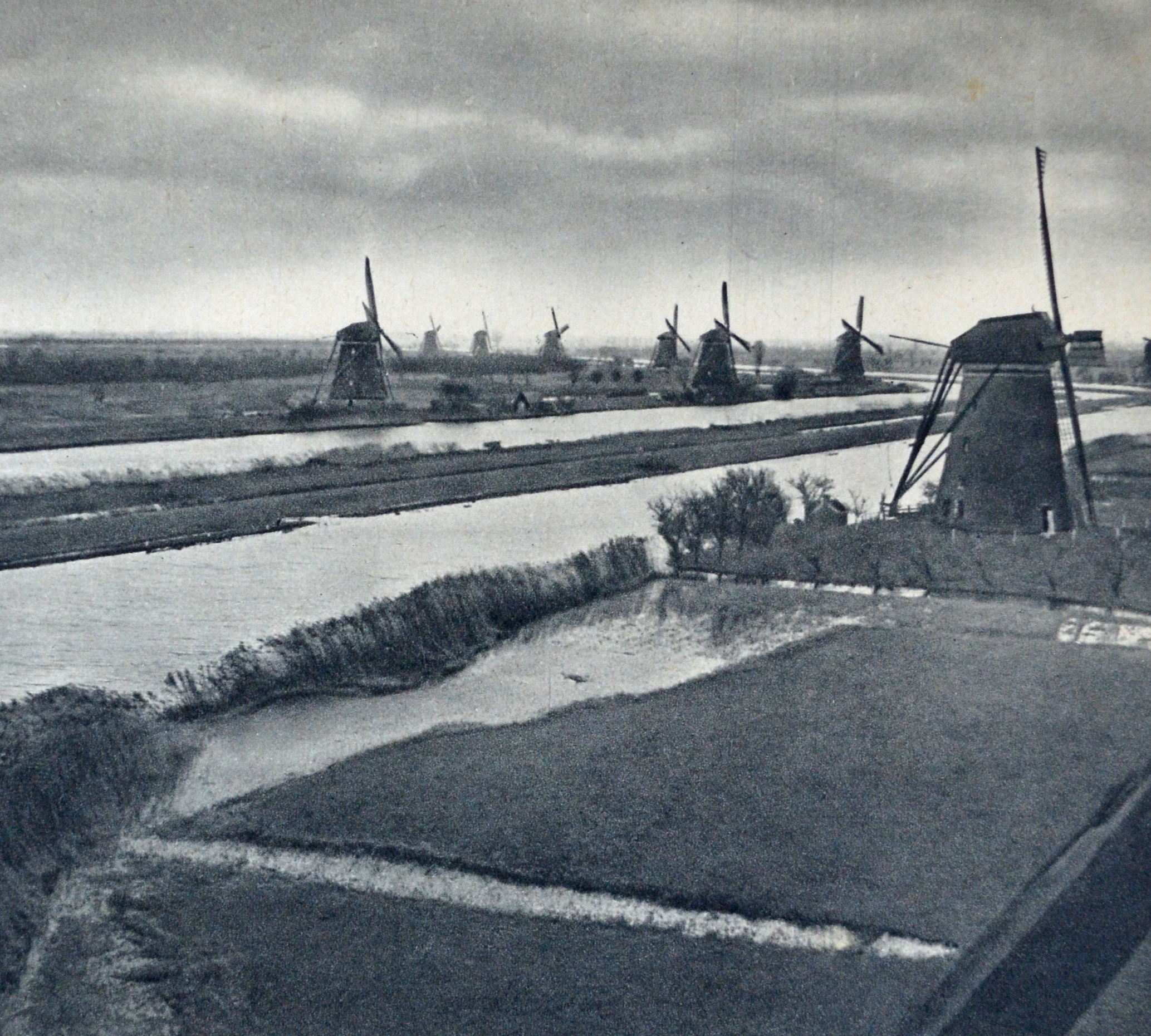
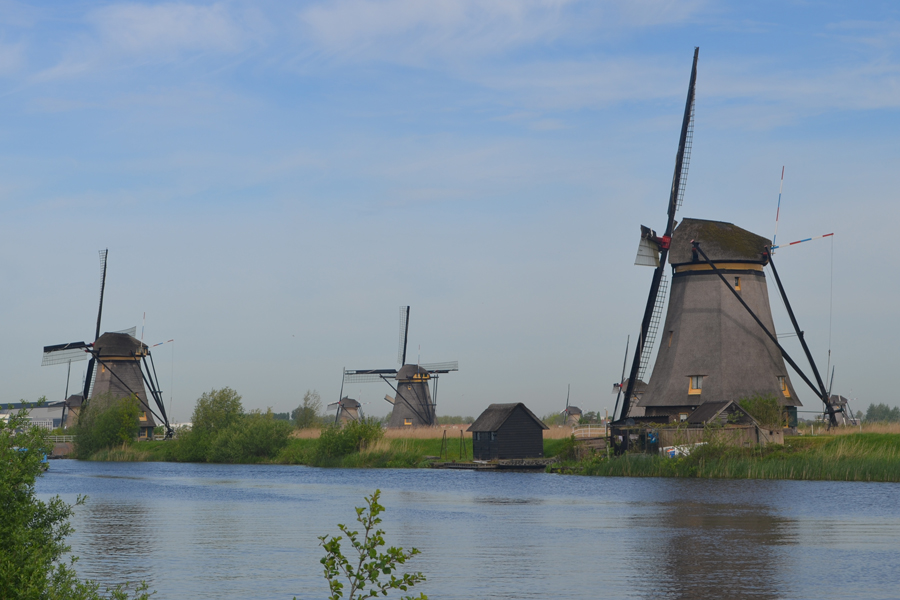
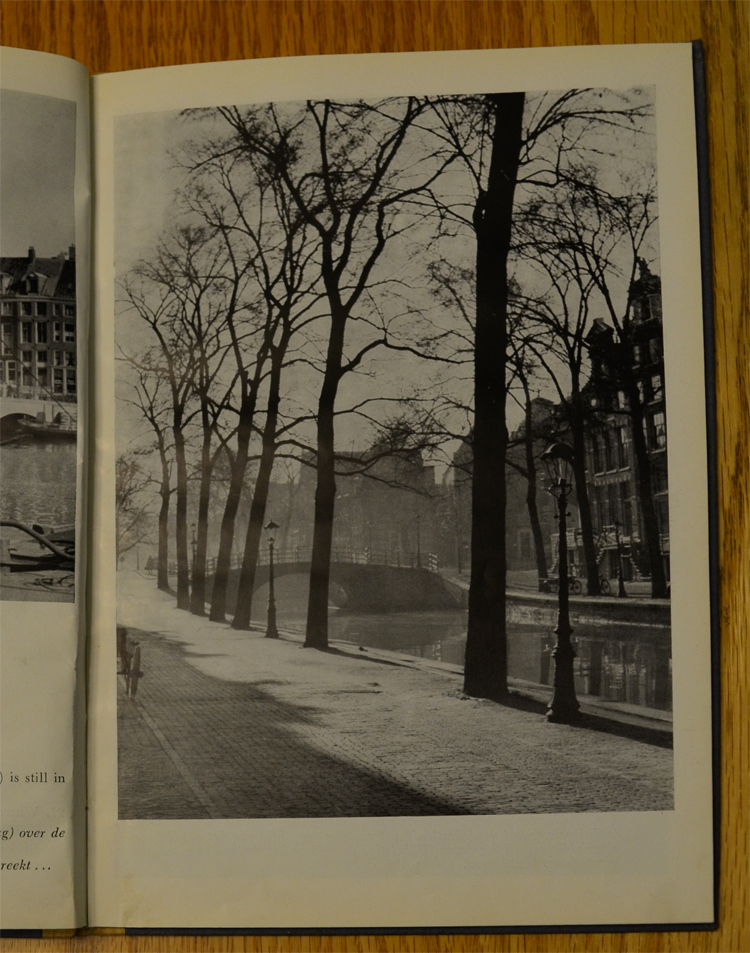
Life before the war was still visible when I visited my mother’s homeland.

The images of war tore at my heart, reminding me how much the people had suffered, especially towards the end of the war.

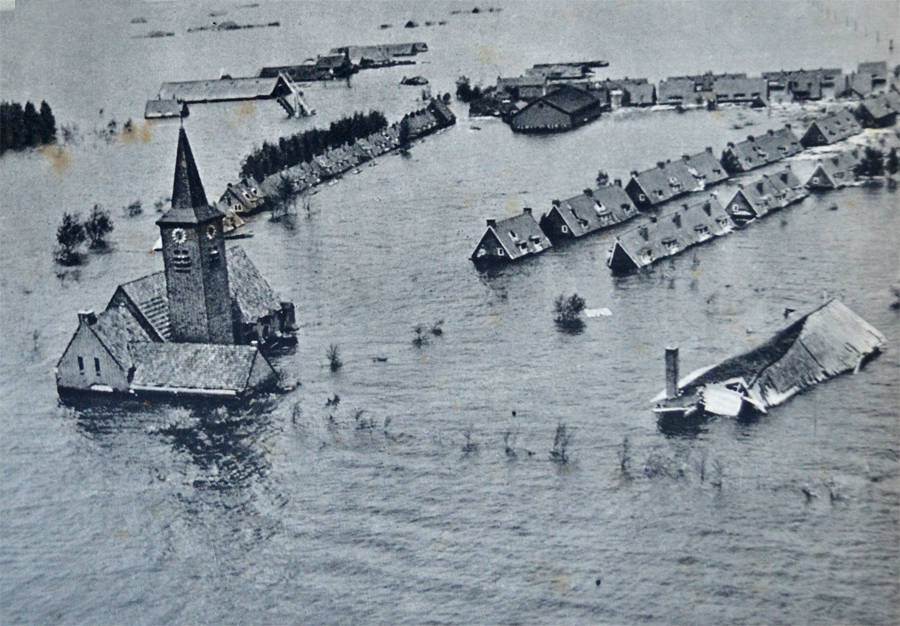
Fearing invasion from the Zuiderzee, the Germans flooded the prosperous villages of the newly claimed Wieringermeer.

A food armistice on the Dutch front re-kindled hope of survival when planes came flying over the main cities to drop food parcels. Food envoys left the Canadian area for the still occupied German-starved territory, and the port of Rotterdam was cleared to allow food ships to enter.
Is it any wonder the Candian troops were met with such joy and the Liberation of the Netherlands has never been forgotten.

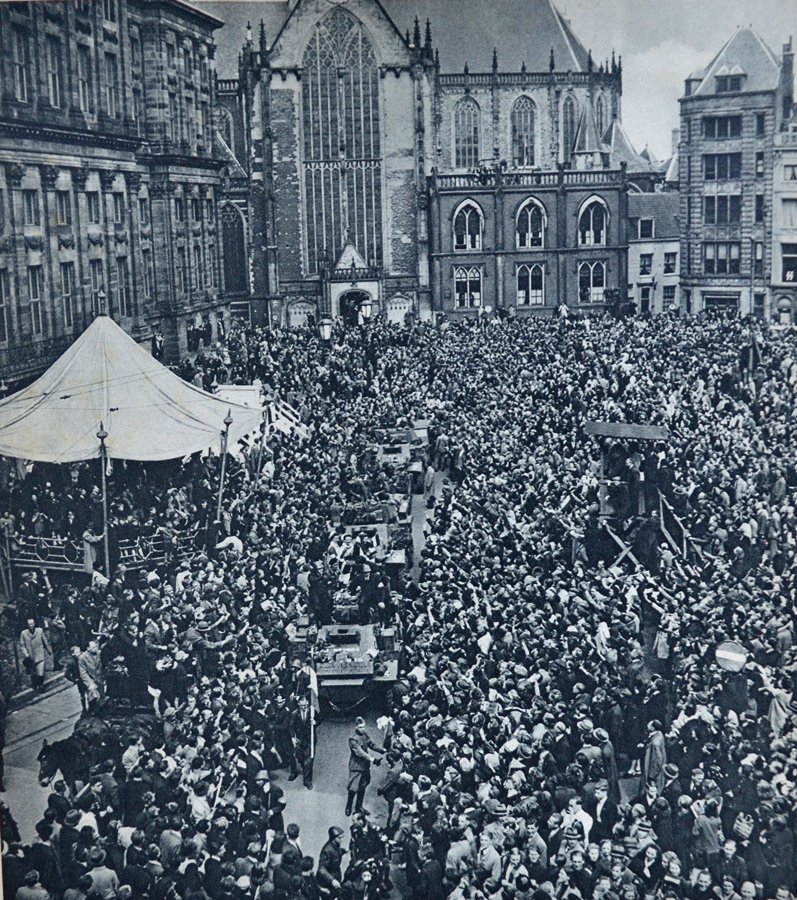
The streets of Amsterdam were jammed to welcome the first Canadian troops to reach the capital.

My mother and her sister, who had been liberated in 1945, attended the 50th Anniversary in 1995.

Unfortunately my father, who had been part of the liberating force, had passed away in 1990.

Book from the Past (3)

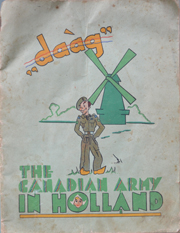
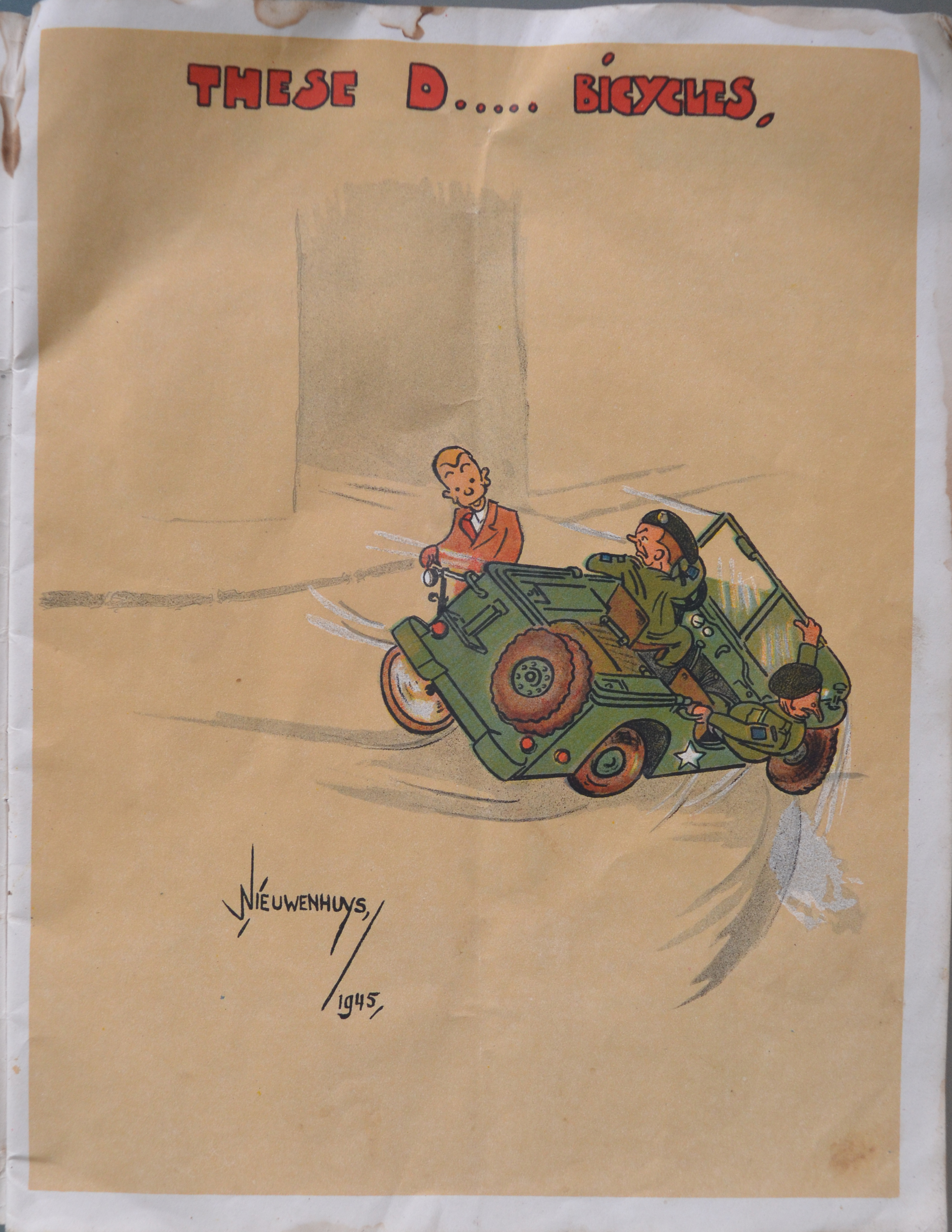
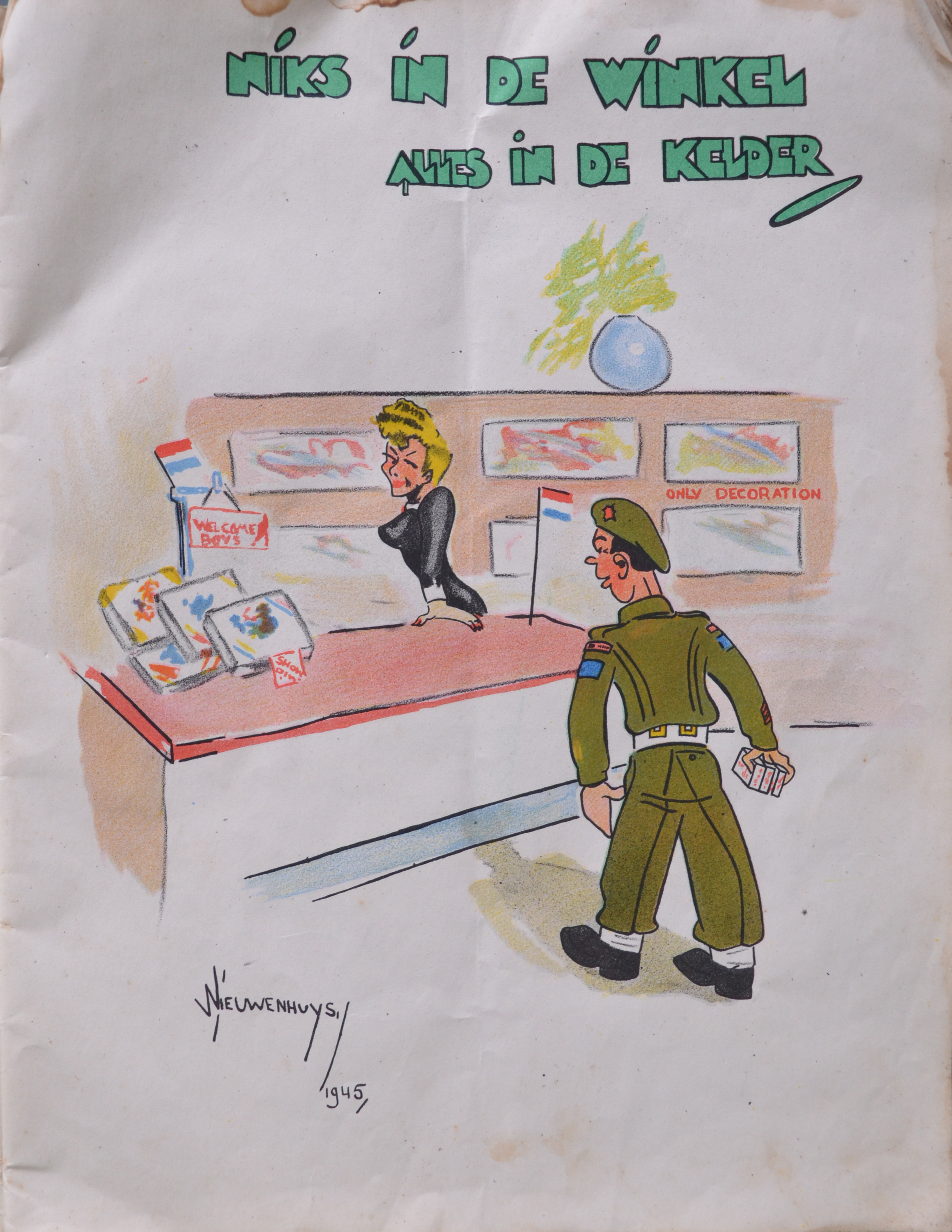
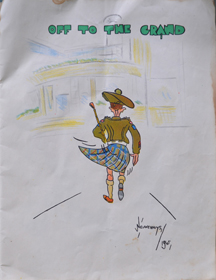
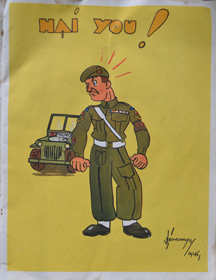
It’s the first day of 2022. While looking ahead to putting the pandemic behind us, I am also looking back. The third book that emerged from the past was written in Amsterdam in 1945, when everyone was eager to put WWII behind them. I think my father, Sidney Smith, likely brought “Daag” The Canadian Army in Holland home with him. Though bedraggled, it is still a treasure.

“Daag” The Canadian Army in Holland was prepared by Edward Startz of the Dutch Overseas Broadcasting Station PCJ in Hilversum. The introduction notes:
“And while we dread the parting of our liberators, we sincerely hope that Jan Nieuwenhuys with his merry drawings of the Canadian GI’s in Holland will continue to bring you pleasant memories and many a smile of the days when you happily said Daag to the Dutch.

The Netherlands has never forgotten its Canadian Liberators.

Books from the past (2)

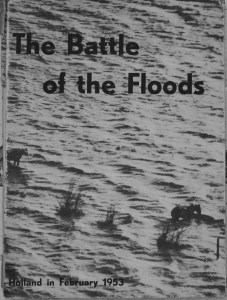
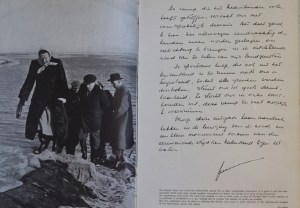
The Battle of the Floods – Holland in February 1953
I remember this book. I was in grade one in 1953 and was probably in grade two when it arrived. It is in worn condition, and one can see where tape once held its spine in place – proof it was well-read for many years. As a child, the flooding was far away and unimaginable. Now I read it as my mother would have, and it is heart-wrenching.

The Battle of the Floods: Holland in February 1953 was published in Holland by the Netherlands Booksellers and Publishers Association, Amsterdam for the benefit of the Netherlands Relief Fund. The text of the English edition was written by a British journalist living in Holland. All rights reserved, Amsterdam 1953.

Excerpts from book: “Many brave deeds were recorded that night as people struggled to warn their neighbours . . . The dyke is giving way! Church bells were rung and rusted air raid sirens set awailing. But they proved to be puny signals; their messages of warning were drowned by the raging wind.”

“Day and night the engineers, soldiers, local farmers, labourers and experienced contractors heaved rocks and sandbags into the gaps, heaped sandbags and stones against weakened embankments, and used every bit of material to make temporary repairs. In terrible weather, with snow and hail and sleet tearing at the faces and hands and legs of the workers like a flail wielded by a giant fury, the dykes grew slowly higher and stronger, and the greedy seas saw the doors relentlessly closing as breach after breach was repaired.”

Over 400,000 acres of the Netherlands were flooded, equal to 7.8% of the country. The population of the flooded area was 664,000. About 100,000 people were evacuated and the death toll rose to 1,487. There were about 143,000 houses in the flooded area and, of those, 4, 720 were destroyed or badly damaged.

I had known about the flooding in the Netherlands, but I viewed the images and read the details with heightened awareness. The response, determination and optimism of the Dutch population in the face of such devastation make me proud of my Dutch heritage.

Books from the past (1)

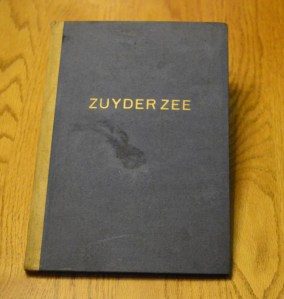
When I finished Dutch Letters and Canadian Memories, I believed it was the end of my family journey. I was wrong. When my brother recently moved into our parents’ cottage, it was necessary to make room for their possessions, and I went home with two boxes to sort through.
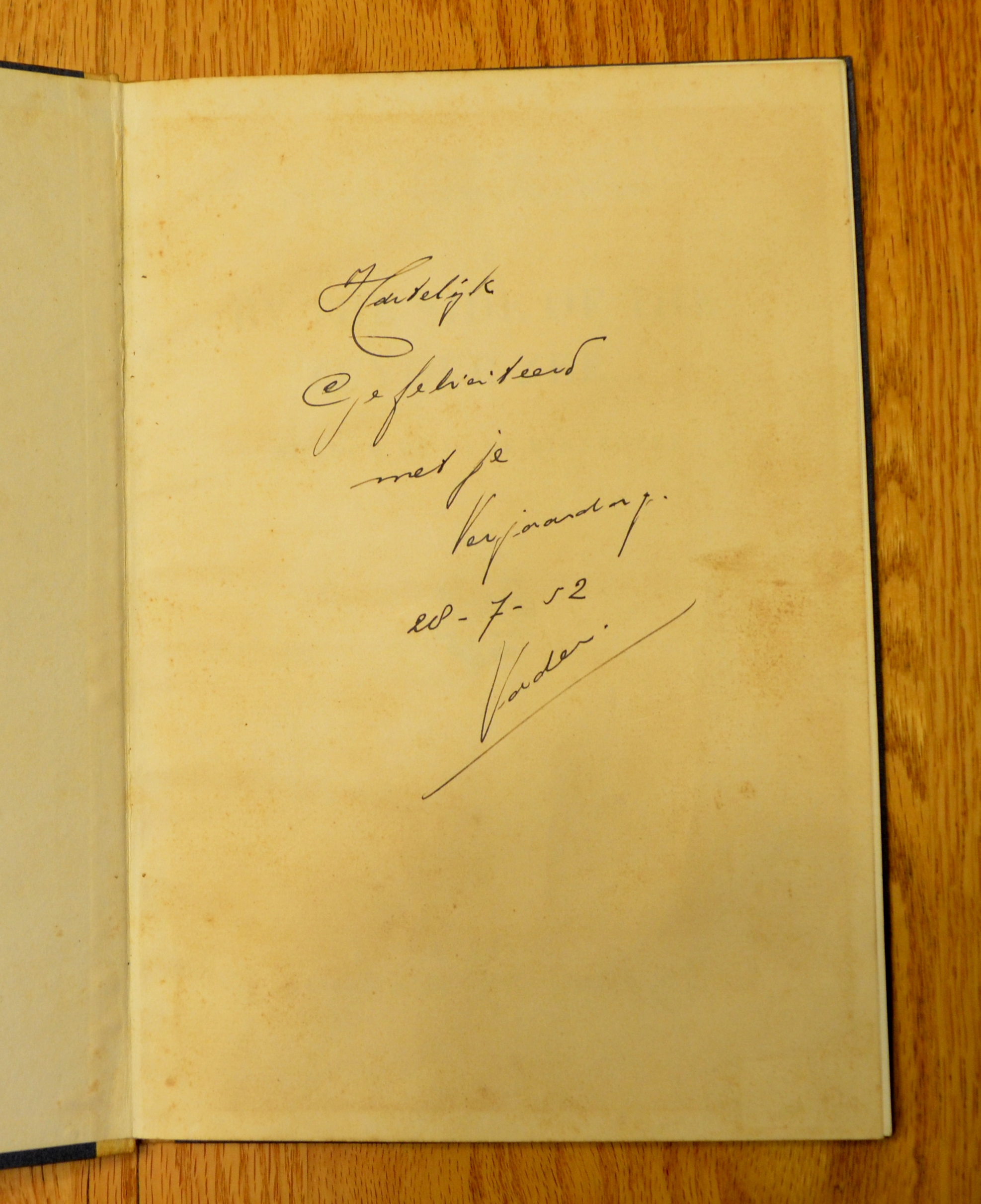
My mother re-established contact with her father, Coenraad Kater, in 1950, and I now have two books my grandfather sent. This one was for my mother’s birthday July 28, 1952.

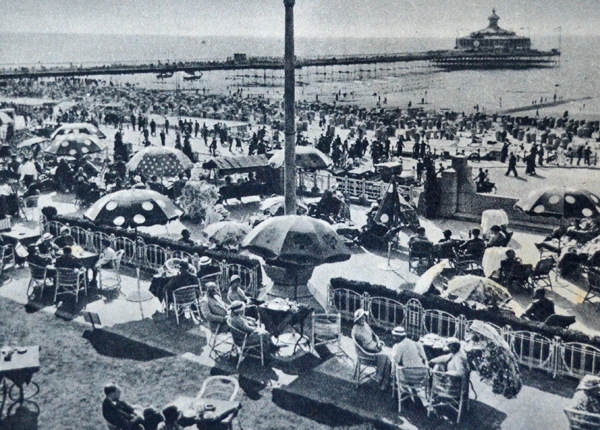
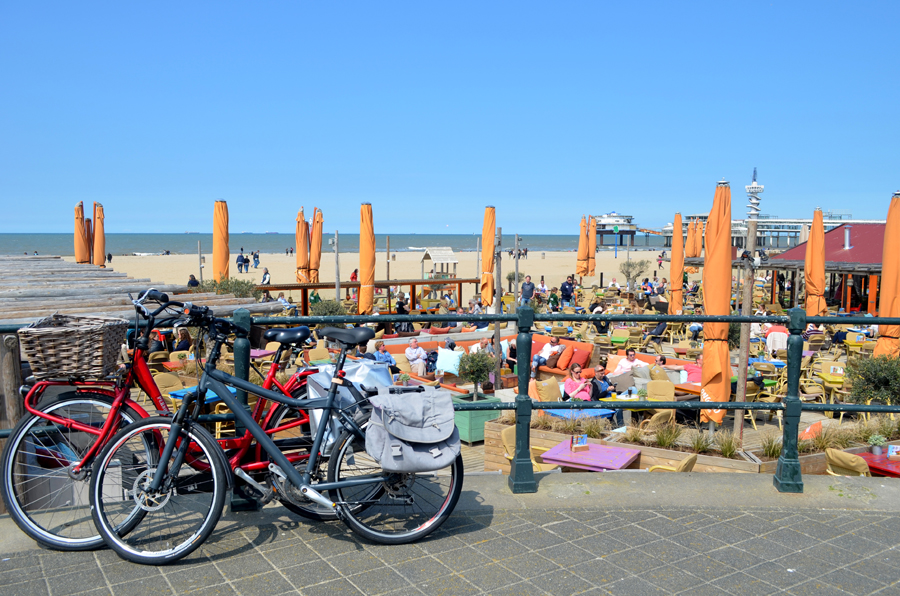
This lovely little book of pictures is signed by her Varder (father) and captioned in both Dutch and English.

I hope you enjoy sharing my dscoveries. 
Rose